The “Studio Ghibli AI” trend turned millions of ordinary photos into soft, hand-painted, Miyazaki-esque scenes — and sparked one of the loudest debates in AI art. Before you jump in, it’s worth understanding both halves of the story: how the look is made, and why it’s controversial. This guide covers both, honestly.
What is the Studio Ghibli AI trend?
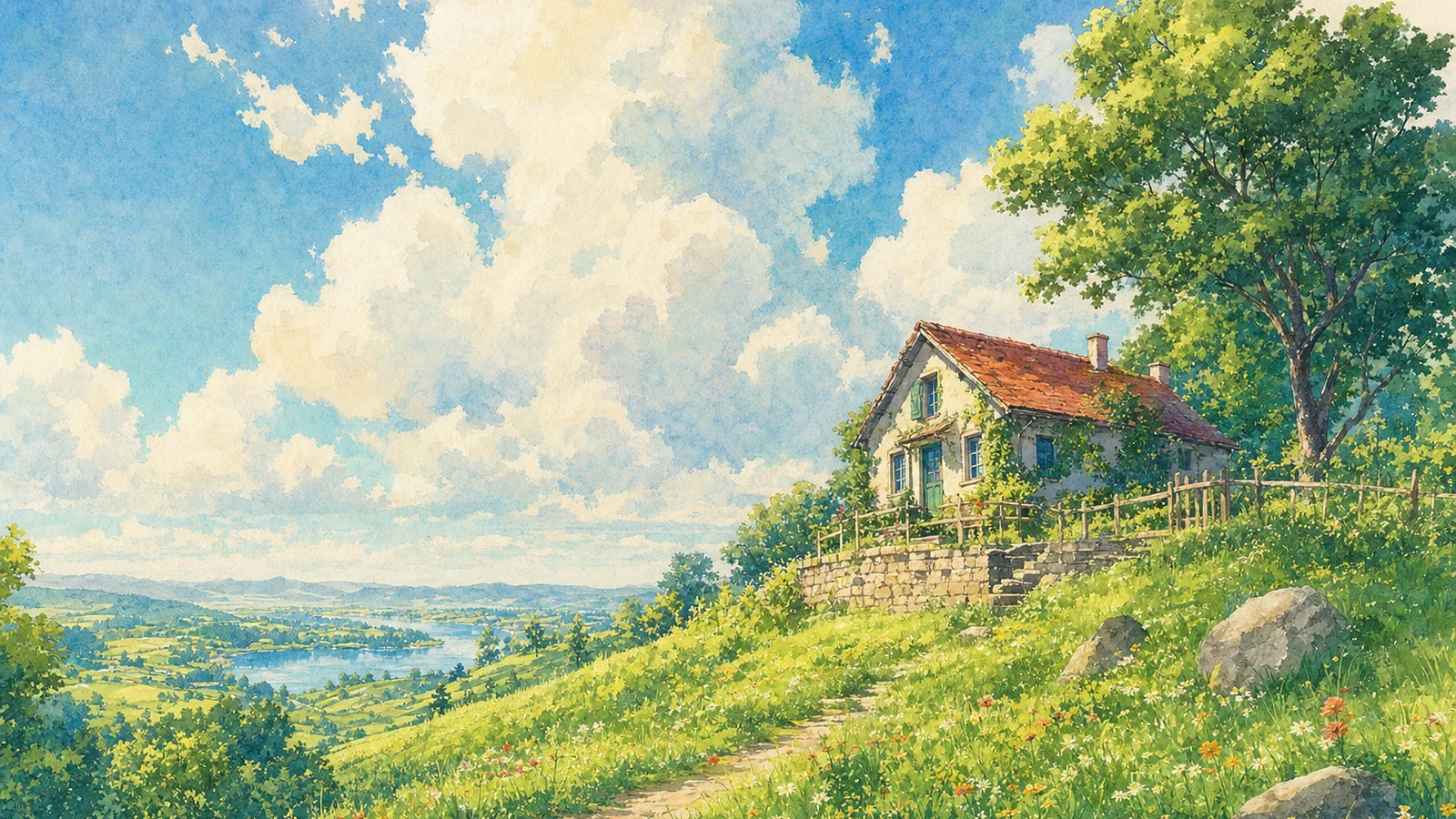
It’s the wave of AI-generated images that mimic the visual style of Studio Ghibli — the Japanese animation house behind Spirited Away and My Neighbor Totoro. The aesthetic is unmistakable: soft watercolor backgrounds, warm light, rounded character design, fluffy clouds, a gentle nostalgic mood.
The trend exploded when image models got good enough to apply that look to any input — turn a selfie, a pet photo, or a city street into a frame that looks like it belongs in a Ghibli film. It’s beautiful, it’s instant, and that’s exactly why it went viral.
The controversy (the part most guides skip)
Here’s the honest bit. The Studio Ghibli AI trend is genuinely contentious, and pretending otherwise does you no favors:
- Miyazaki’s stance. Hayao Miyazaki, Ghibli’s co-founder, has been openly critical of AI-generated art, famously calling an early demo “an insult to life itself.” Mimicking his studio’s style with AI sits uncomfortably against that.
- The labor question. Ghibli’s style is the product of decades of hand-drawn craft. Many artists see one-click imitation as devaluing that work.
- Copyright and trademark. A style generally isn’t copyrightable, but specific characters, scenes, and the “Studio Ghibli” name absolutely are. Generating Totoro, or selling art branded as “Ghibli,” is a different and riskier matter than making a soft, Ghibli-inspired original scene.
None of this means you can’t make soft hand-painted anime art. It means: be thoughtful. Make original scenes in an inspired aesthetic, keep recognizable Ghibli characters and branding out of anything you publish or sell, and don’t pass AI work off as the studio’s.
Can you legally use Ghibli-style AI art?
The cautious, practical answer: making Ghibli-inspired original art for personal use is broadly fine; commercial use is where care is needed. Avoid Ghibli’s copyrighted characters, avoid the “Studio Ghibli” name in your branding, and treat the look as one influence among many rather than a copy. For anything commercial, lean toward a distinctly “soft watercolor anime” style of your own rather than a direct studio impersonation — it’s safer and, honestly, more original.
How to make Ghibli-style AI art, step by step
Here’s a walkthrough, then the steps — applied to an original scene, not a copy:
1. Describe the scene and the look
Lead with an original subject, then the aesthetic:
A small cottage on a green hillside under a vast sky with fluffy clouds, soft hand-painted watercolor anime style, warm afternoon light, nostalgic and whimsical.
Words like “soft watercolor,” “hand-painted,” “warm light,” and “whimsical” get you the feel without naming the studio.
2. Generate and refine
Run a few variants and pick the one with the softest light and cleanest composition. Refine the palette and mood rather than chasing a specific film.
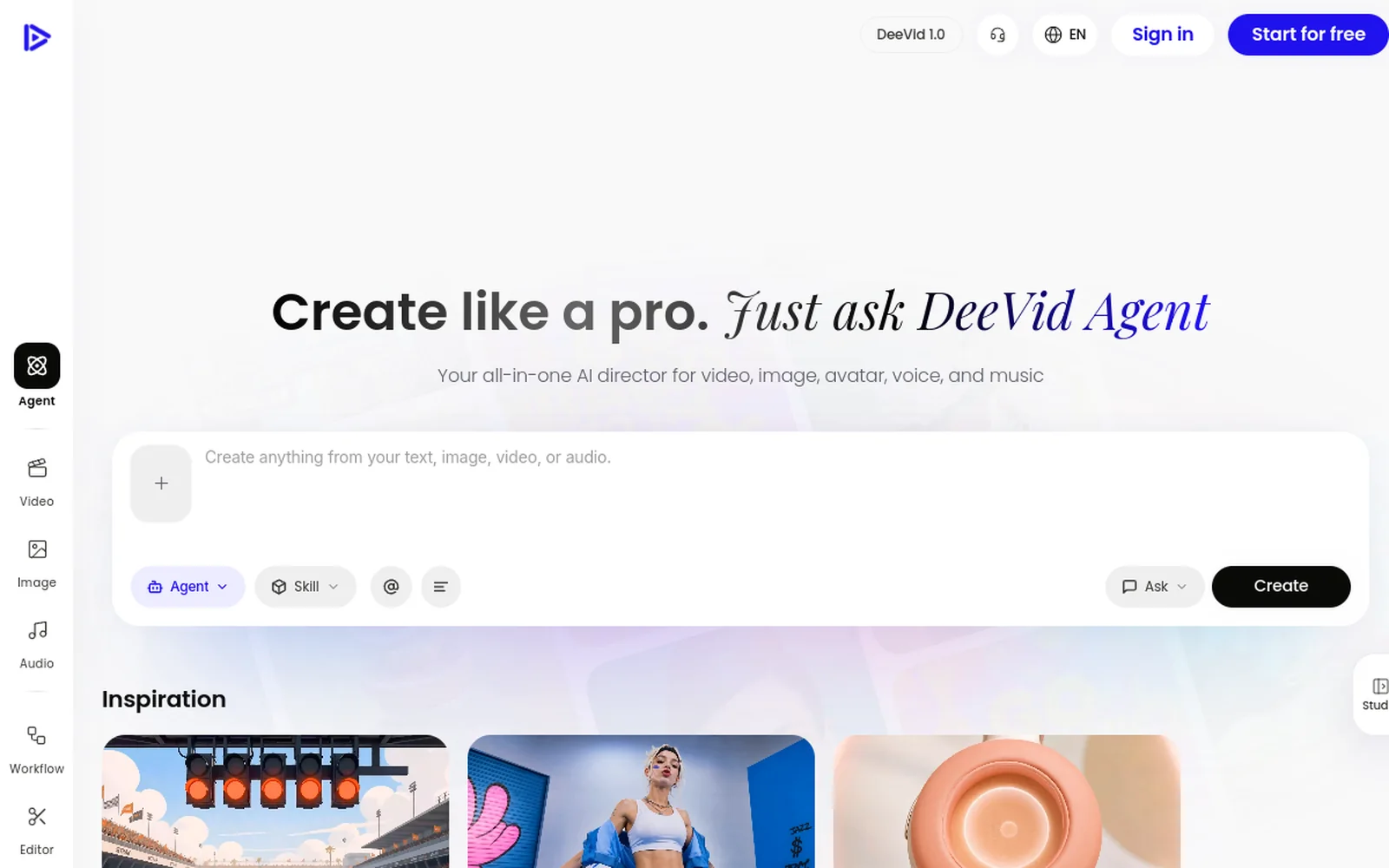
3. (Optional) Animate it
The look is gorgeous in motion. Drop the image into image-to-video and add a subtle motion — drifting clouds, swaying grass, a slow pan. Keep it gentle; the calm is the aesthetic.
4. Export
On a paid tier you get clean, watermark-free output. For commercial use, double-check you’ve kept it original and unbranded (see the section above).
From photo to Ghibli style
The viral version is “turn my photo into Ghibli art.” You can do it — upload a clear photo and prompt the soft watercolor anime style — but apply the same care: it’s great for a personal avatar or a gift, and you should be cautious about selling photo-to-“Ghibli” conversions commercially. Keep it personal, keep it original-leaning, and enjoy the look responsibly.
Why the look is harder to fake than it seems
It’s tempting to think “soft watercolor + clouds = done,” but the reason the best Ghibli-inspired images feel special is craft — and you can lean on that to get better results. Three things separate a generic anime landscape from one with that warm, lived-in feeling:
- Light does the emotional work. The aesthetic is really about light — warm afternoon sun, soft diffusion, gentle shadows. Prompt the lighting first and the mood follows.
- Composition breathes. These scenes leave space: a big sky, a small subject, room to feel calm. Cramped, busy compositions break the spell. Ask for “wide,” “open,” “vast sky.”
- Texture, not gloss. “Hand-painted,” “watercolor,” “soft brushwork” pull the model away from the slick, over-rendered default that screams “AI.” Texture is what reads as hand-made.
Get those three right — light, space, texture — and your original scenes capture the feeling without copying a single frame.
Beyond images: Ghibli-style video
The soft-anime look is even more striking in motion, and it’s where you can be most original. Animate your still — drifting clouds, swaying grass, a slow push toward the cottage — and you’ve made something that feels like an establishing shot from a film that doesn’t exist. Because you’re creating original scenes and gentle motion rather than recreating known characters, this is also the safest and most creative direction to take the aesthetic. Keep the movement slow and the mood calm; the stillness is the point.
Tips for the soft hand-painted look
- Prioritise light. “Warm afternoon light,” “golden hour,” “soft diffused light” do most of the mood.
- Keep backgrounds lush. Rolling hills, big skies, fluffy clouds — the environments carry the aesthetic.
- Say “watercolor” and “hand-painted.” Those words pull the model toward soft, painterly output.
- Stay original. Inspired-by scenes age better — and travel safer — than direct copies.
FAQ
Is Studio Ghibli AI art legal? A style itself generally isn’t copyrightable, but Ghibli’s characters and name are. Original Ghibli-inspired art for personal use is broadly fine; avoid their characters and branding, and be cautious with commercial use.
Why is the Studio Ghibli AI trend controversial? Ghibli’s co-founder Miyazaki has criticised AI art, and many artists see one-click imitation of a hand-crafted style as devaluing decades of work. It’s a genuine ethical debate worth respecting.
How do I get the Ghibli look without copying it? Prompt for “soft hand-painted watercolor anime style, warm light, whimsical” on original scenes, rather than naming the studio or recreating its characters.
Can I turn my photo into Ghibli-style art? Yes — upload a photo and prompt the soft watercolor anime style. Keep it personal and original-leaning, especially if you’d ever use it commercially.
The Studio Ghibli AI look is stunning, and you can absolutely make soft, hand-painted anime art with it. Just go in with eyes open: make original scenes in an inspired aesthetic, keep the studio’s characters and name out of it, and treat a beloved, hand-crafted style with the respect it earned.